
The Application of Macleaya cordata Extract in Pig Production
2026.02.06
Abstract
The search for sustainable and safe alternatives to antibiotic growth promoters in livestock farming has intensified. Macleaya cordata extract (MCE), derived from the plume poppy plant, has emerged as a promising phytogenic feed additive in pig production. Rich in bioactive isoquinoline alkaloids, primarily sanguinarine and chelerythrine, MCE exhibits a broad spectrum of biological properties, including antimicrobial, anti-inflammatory, and antioxidative effects. This paper reviews the mechanisms of action of MCE and its beneficial impacts on pig health and performance. Evidence suggests that dietary supplementation with MCE can enhance growth performance by improving nutrient digestibility and gut health, modulate immune function, and reduce diarrhea incidence, particularly in weanling piglets. Furthermore, its ability to improve meat quality parameters presents an additional advantage. As a natural, residue-free additive, MCE holds significant potential to contribute to sustainable and efficient pig farming while addressing public concerns about antimicrobial resistance.
1. Introduction
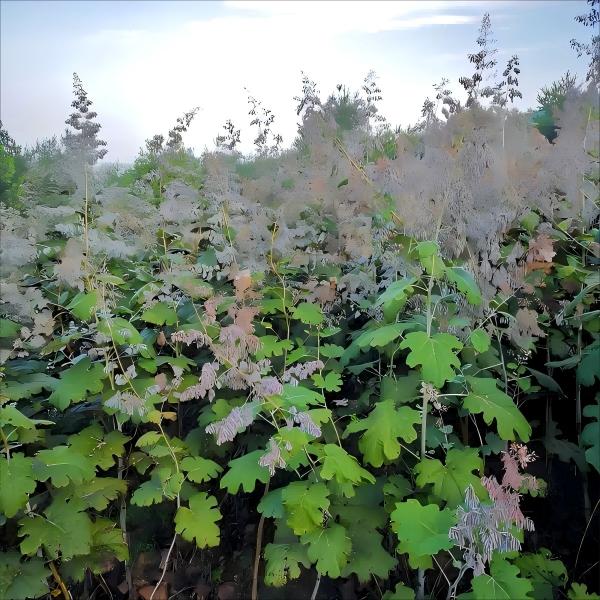
In the context of global restrictions on the prophylactic use of in-feed antibiotics, the swine industry faces significant challenges in maintaining animal health, welfare, and productivity. Phytogenic feed additives, comprising herbs, spices, and their extracts, have gained considerable attention as viable alternatives. Among them, the extract of Macleaya cordata (also known as plume poppy) has been extensively studied and commercially adopted. Standardized MCE is valued for its consistent content of key benzophenanthridine alkaloids, which are responsible for its efficacy. This paper explores the application of MCE in pig production, focusing on its mechanisms, effects on growth and health, and overall benefits.
2. Key Bioactive Components and Mechanisms of Action
The efficacy of MCE is attributed to its unique alkaloid profile:
Sanguinarine and Chelerythrine: These are the primary active compounds. They exert potent activity against a wide range of Gram-positive bacteria (e.g., Staphylococcus, Streptococcus), some Gram-negative bacteria, and fungi by disrupting bacterial cell membranes and inhibiting enzymes like Na+/K+-ATPase.
Additional Alkaloids: Protopine and allocryptopine contribute to the overall biological activity.
The main mechanisms include:
Antimicrobial Action: Reduces the population of pathogenic bacteria in the gut, promoting a healthier intestinal microbiota balance.
Anti-inflammatory Effects: Inhibits the NF-κB signaling pathway, reducing the production of pro-inflammatory cytokines (e.g., TNF-α, IL-6), which helps mitigate intestinal inflammation often triggered by weaning or pathogen challenge.
Antioxidant Activity: Scavenges free radicals and enhances endogenous antioxidant enzyme activity, protecting intestinal epithelial cells from oxidative stress.
Enhancement of Digestive Function: MCE has been shown to stimulate the secretion of digestive enzymes (e.g., protease, amylase) and bile acids, improving nutrient digestibility, particularly of fats and proteins.
3. Applications and Benefits in Pig Production
3.1. Improvement of Growth Performance
Numerous studies report that supplementing diets with MCE (typically at 50-200 mg/kg feed) improves average daily gain (ADG) and feed conversion ratio (FCR) in both weanling and growing-finishing pigs. This is primarily attributed to enhanced nutrient utilization and a healthier gut environment, which redirects energy from immune activation towards growth.
3.2. Promotion of Gut Health and Reduction of Diarrhea
This is particularly crucial for weanling piglets. MCE helps stabilize the gut microbiota, reducing the load of enteropathogens such as E. coli. Its anti-inflammatory properties help maintain the integrity of the intestinal barrier, reducing leaky gut and the incidence of post-weaning diarrhea. Improved gut health directly supports overall vitality and performance.
3.3. Modulation of Immune Function
By controlling subclinical inflammation, MCE allows for a more efficient immune response. It can enhance humoral immunity by increasing antibody titers following vaccination, suggesting an immunomodulatory rather than immunosuppressive effect.
3.4. Improvement of Meat Quality
Supplementation during the finishing phase has been associated with improved meat quality traits. Studies indicate reduced drip loss, increased intramuscular fat content, and in some cases, a healthier fatty acid profile (higher PUFA) in pork. The antioxidant effect may also contribute to improved shelf stability of the meat.
3.5. Safety and Residue-Free Production
MCE is metabolized and excreted rapidly, leaving no detectable residues in edible tissues. This makes it safe for animals and consumers and complies with organic and residue-free production standards.
4. Conclusion
Macleaya cordata extract represents a scientifically validated, effective, and natural tool for modern pig production. Its multi-faceted actions—promoting gut health, enhancing digestion, modulating immunity, and improving meat quality—make it a comprehensive alternative to antibiotic growth promoters. As the industry continues to move towards sustainable and responsible farming practices, the integration of standardized MCE into feeding strategies offers a viable path to maintaining productivity while ensuring animal welfare and food safety. Further research may focus on its synergistic effects with other additives (e.g., organic acids, probiotics) and its role in managing specific pathogen challenges.
References:
Liu, G., et al. (2016). "Effects of Macleaya cordata extract on growth performance, immune response, and antioxidant status in weaned piglets." Journal of Animal Science.
Vitanova, L., & Popova, T. (2020). "Phytogenic feed additives in pig nutrition: A review." Bulgarian Journal of Agricultural Science.
Zeng, Z., et al. (2015). "Essential oils and aromatic plants as feed additives in non-ruminant nutrition: A review." Journal of Animal Science and Biotechnology.
Kosina, P., et al. (2004). "Metabolism of sanguinarine in human hepatocytes." Drug Metabolism and Disposition.
 Share
Share