The Effects of Milk Thistle Supplementation on Stress in Rabbits
2026.01.08
Unlike other livestock, rabbits have almost no well-developed sweat glands except in their lips and groin, which severely limits their thermoregulation capabilities.
Heat stress in rabbits is influenced by a variety of factors, including ambient temperature, humidity, radiant heat, and air velocity, with ambient temperature being the most critical factor affecting their welfare and productivity.
The normal physiological body temperature of a healthy rabbit is 39±0.5 °C, with a thermoneutral zone of 20±5 °C and an optimal ambient humidity of 60±5%. For young rabbits aged 6 to 12 weeks, the optimal ambient temperature is 15–18 °C.
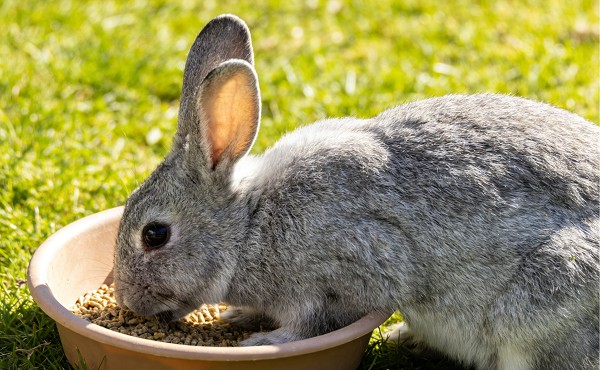
Elevated ambient temperature has a significant impact on rabbits. When the temperature rises from 20 °C to 30 °C, their respiratory rate increases dramatically from approximately 40 breaths/minute to 200 breaths/minute, and their body temperature can rise to 43 °C. When the ambient temperature exceeds 30 °C, rabbits' reproductive performance (such as litter size) and lactation capacity will decline; if the temperature exceeds 35 °C, mortality rate will increase significantly.
Heat stress can lead to a 20–25% decrease in daily weight gain, an 8–15% decrease in feed conversion efficiency, a 9–12% increase in mortality, a 6–10% decrease in reproductive performance, and a significant negative impact on meat quality and carcass traits.
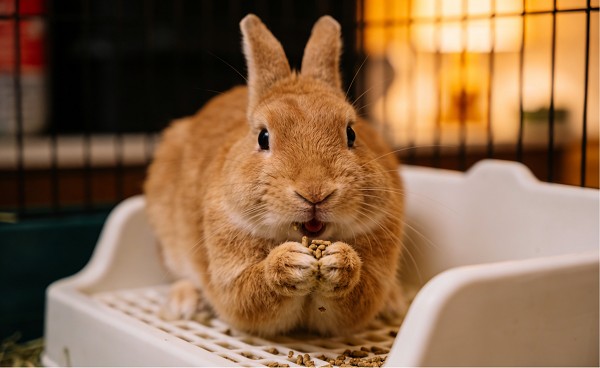
Noise is another important stressor in rabbitry management, which can trigger startle responses and abnormal behaviors, leading to limb trauma, increased aggression, impaired reproductive and maternal behavior, and decreased meat production.
Monitoring of noise frequencies shows that due to cage interactions (such as stepping on different materials), the rabbitry environment is typically exposed to an audio frequency range of 10 to 40/60 kHz. Rabbits can hear sounds up to 42 kHz; therefore, the noise level in the rabbitry should be controlled below 60 decibels during quiet periods and should be kept below 70 decibels during working activities, and should not exceed 85 decibels at the highest.
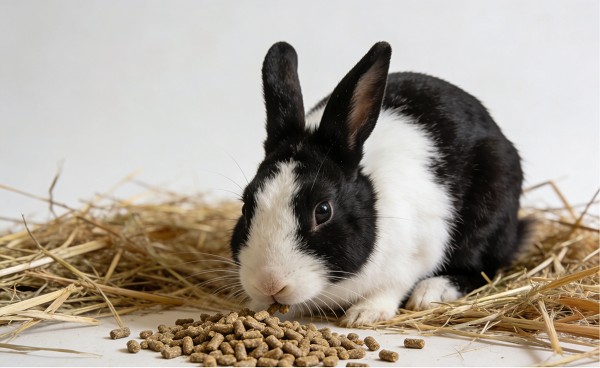
Nutritional management is a practical strategy for mitigating the effects of heat stress, including adjusting dietary composition and supplementing with vitamins, minerals, electrolytes, or functional bioactive substances. This study aimed to investigate the combined effects of environmental stress (heat and noise) and dietary supplementation with unfermented and fermented milk thistle seed meal on the production performance, physiological indicators, and welfare of rabbits.
Blood parameter analysis in this study revealed an interaction between diet and stress exposure, significantly affecting antioxidant and metabolic-related indicators. Specifically, under noise stress conditions, the fermented milk thistle seed meal group showed significantly increased total antioxidant capacity (TAS) and free fatty acid (FFA) levels, indicating enhanced lipid mobilization capacity.
Furthermore, the blood glucose (GLU) concentration in the non-stressed control group was lower than that in the stress group, indicating that stress triggered a metabolic regulatory response. These results suggest that fermented milk thistle supplementation can enhance the antioxidant defense capacity of rabbits under stress conditions and regulate their energy metabolism, which is corroborated by the observed increases in GSH-Px activity, total protein, and albumin levels, collectively demonstrating its protective effect on homeostasis.
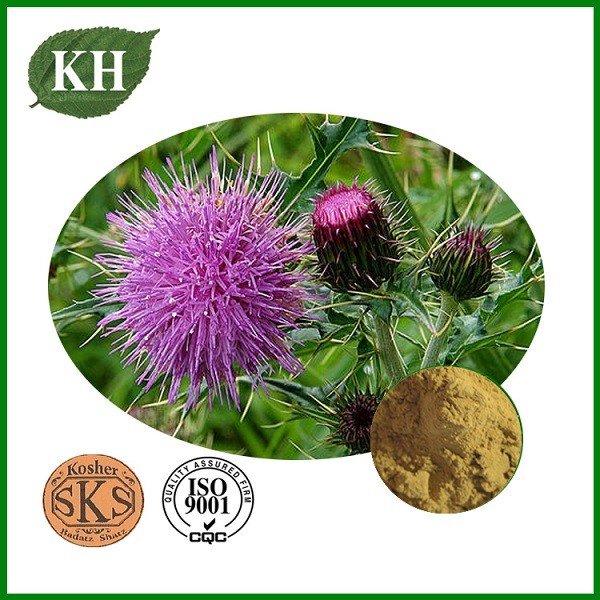
In this study, the diet group fed with 2% milk thistle seed meal achieved the highest mean daily weight gain, confirming the positive effect of milk thistle on growth performance during the fattening stage. Rabbits fed milk thistle showed the highest mean daily weight gain in four of the five monitoring phases.
Overall, dietary supplementation with milk thistle (including fermented and non-fermented forms) showed beneficial effects on the antioxidant status and metabolic homeostasis of rabbits, especially under non-stress conditions. Fermented milk thistle enhanced antioxidant enzyme activity and improved mineral homeostasis, while non-fermented milk thistle improved growth performance and carcass yield in the fattening stage.
 Share
Share